Stories & Case Studies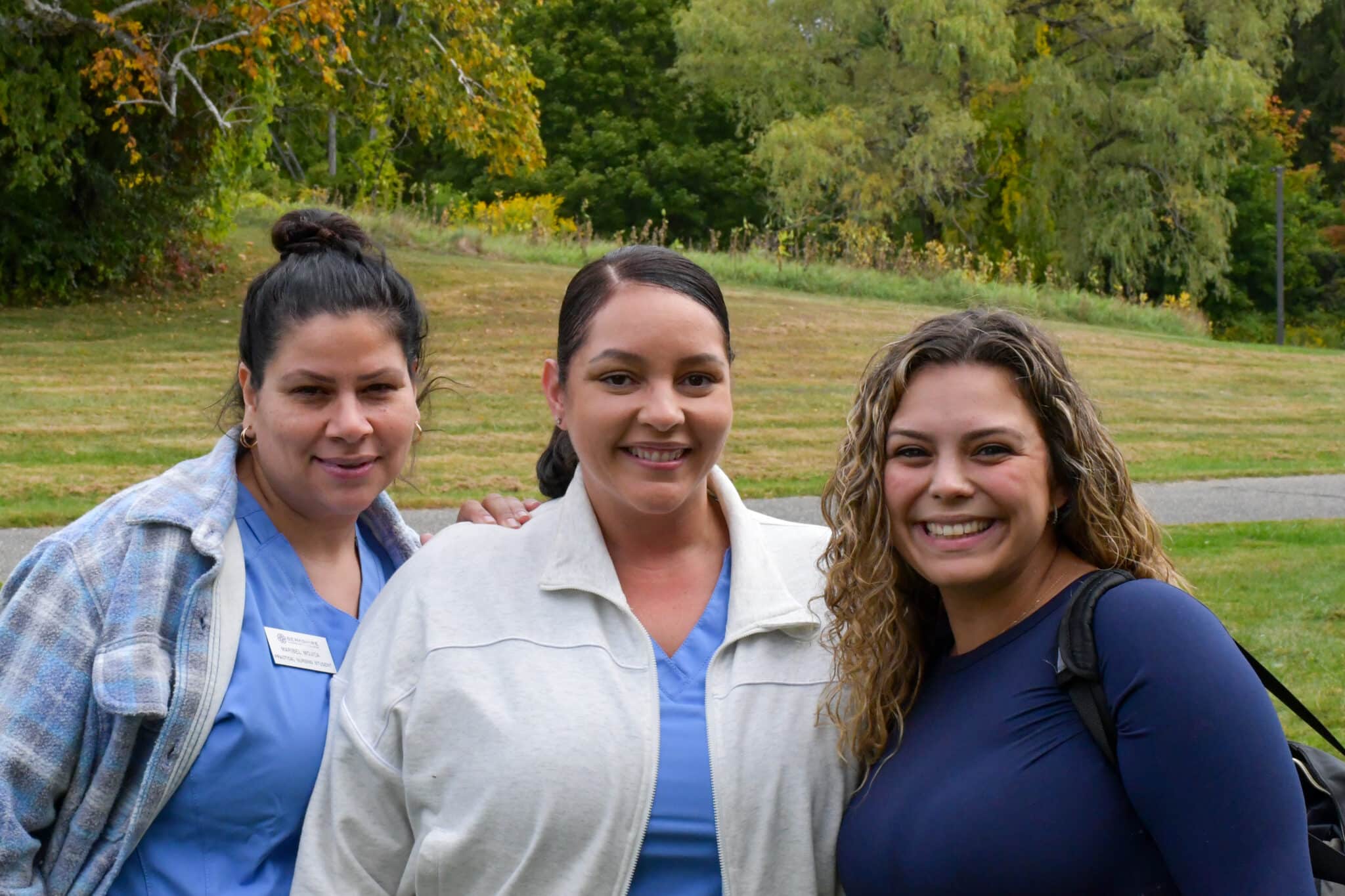
Rural communities are historically underresourced, but community colleges are uniquely positioned to support local economic prosperity. This was the impetus behind Achieving the Dream’s Building Resiliency in Rural Communities for the Future of Work initiative, launched in 2021, which aimed to strengthen rural colleges’ capacities to ensure student success and prepare students for careers in the digital economy.
Berkshire Community College (BCC), which serves more than 2,000 students in rural western Massachusetts, recently completed the Rural Resiliency initiative after five years of coaching, collaboration, and strategic implementation of high-impact practices. In that time, the college went through a period of great change: Enrollment increased 72% from 2022 to 2025 after community college became free in Massachusetts, including a sizable increase in students of color.
BCC also recently completed ATD’s Foundations of Transformation experience, which focuses on driving student-centered change to positively impact communities. Working alongside ATD as part of both of these programs, BCC improved high-impact practices by investing in professional learning for staff and faculty and incorporating open educational resources into course materials.
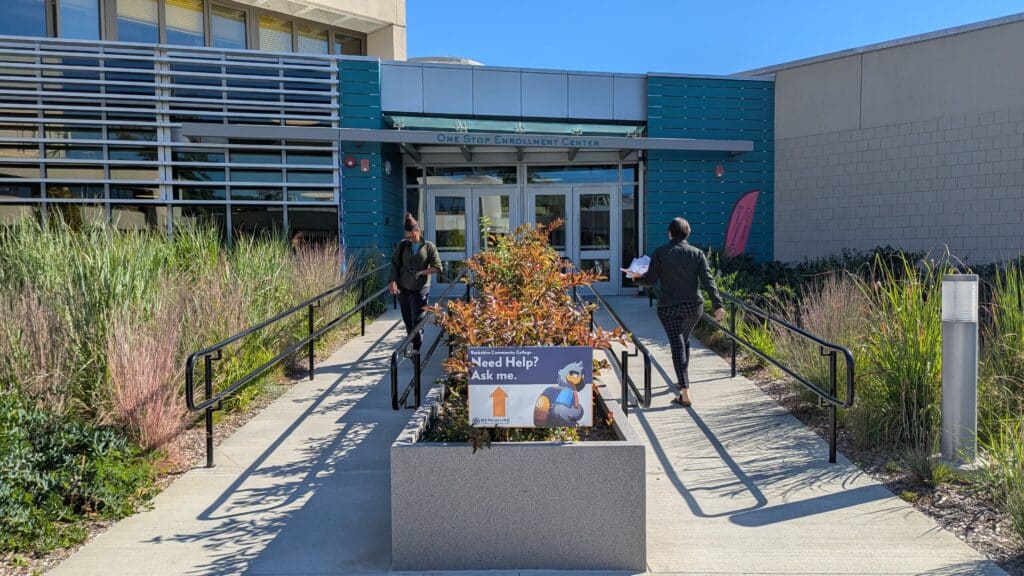
Photo courtesy of Berkshire Community College
Integrating OER into campus culture
Open educational resources (OER) are freely accessible text, media, and other digital assets that can be used for teaching and learning to save students money often spent on expensive course materials. With a rapidly expanding and changing student body, BCC sought to improve student outcomes by building OER into its courses, with staff and faculty coming together in shared learning to streamline implementation.
BCC leaders established an OER task force that first gathered student feedback to better understand in which courses students were feeling strained by the cost of college course materials. With that data in hand, the task force then focused on expanding professional learning to encourage faculty OER adoption.
“One of the things we’ve done that I think helps a lot is [to] provide opportunities for professional development. Then we have faculty and staff who are champions of the work,” Dr. Laurie Gordy, BCC’s vice president of academic affairs, said. At professional development days, the OER task force recognized and highlighted faculty who implemented OER, with peer encouragement also fueling adoption. They also provided stipends to faculty who added OER to their courses or created their own course materials.
It wasn’t long before OER use became a defining feature of BCC’s courses and culture. New faculty who were hired to teach similar courses to those already using OER chose to adopt the practice, Dr. Gordy said. “So it became sort of like, ‘Okay, I’m joining this department. This is important for what they do, so I’m going to continue to do it too.’”
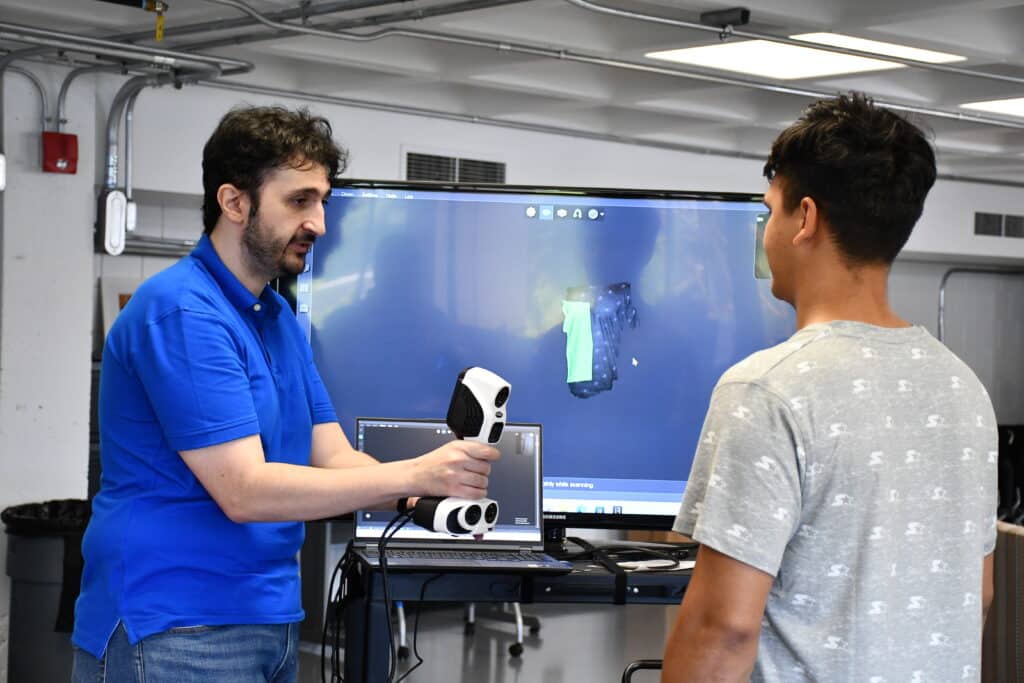
Photo courtesy of Berkshire Community College
Improving student outcomes
Thanks to BCC’s efforts to shift the culture around OER use on campus, the number of courses offering OER increased from 34% to 41% from 2023–24 to 2024–25, saving students an estimated $480,000 last year.
There was also a noticeable impact on course completion. In the 2023–24 academic year, the DFW rate (the number of students who received a D or F grade, or who withdrew) for courses with no-cost materials was 19.8%, compared to a 25% DFW rate for courses with some costs. For students of color, the DFW rate was 9 percentage points lower for courses using OER.
The quantitative impact of OER implementation lessened in the second year, with a 2 percentage point decrease in the DFW rate for courses with no cost materials. Although students of color in no-cost sections continued to see even or slightly improved outcomes compared with sections of any cost, the effect appeared to decrease for this second year of data. Dr. Gordy sees this as an opportunity to examine the data and pinpoint gaps and opportunities for growth.
Whereas the college was initially focused on adoption of OER, encouraging faculty use through professional development and incentives, now it is looking more closely at how and where OER are being used. “It’s one thing to adopt a strategy and another thing to adopt it effectively,” Dr. Gordy said. “We need to focus our professional development now around, ‘How are you using it? Are you using it in a way that’ll enhance student completion and student success?’”

Photo courtesy of Berkshire Community College
Using professional learning to move initiatives forward
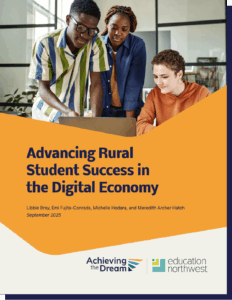
BCC has centered professional learning, a key condition of success evaluated in a new report from ATD and Education Northwest, in its work in the Rural Resiliency initiative. In addition to relying on professional development to help implement OER, the college also leaned on it to encourage data-informed decision-making and streamline its advising processes.
When BCC joined the rural resiliency cohort, one of the first things leaders did was take a closer look at their data using ATD’s Institutional Capacity Framework. They established data goals for the college and integrated them into their overall strategic plan, resulting in a new data governance structure. Disaggregating data by student demographics and financial aid enabled leaders to get a better picture of student needs, equity gaps, and potential drivers for success.
To democratize that data, BCC hosted several Data Days, bringing faculty and staff together to discuss student trends and success gaps. The college also worked with Ellucian to launch a data dashboard available to anyone working on campus. “They have live data about student enrollment and different programs that they’re in at their fingertips at all times,” Adam Klepetar, BCC’s vice president of student affairs and enrollment management, said.
Sensing opportunities for improvement in advising, mentoring, and coaching, BCC established an advising director position and named three faculty advising fellows. These fellows bridged the gap between faculty and the advising center, introducing a shift in how faculty view advising as an additional aspect of their work to ensure student success. The college will also soon host a professional development day focused solely on advising.
“It’s hard to quantify it, but there’s a real qualitative culture shift,” Klepetar said. “It’s incredibly exciting to think about where we’ve come to center advising in our work from where we were at the beginning of this project.”
As a member of the Rural Resiliency cohort, and an essential part of its rural community, BCC puts the region’s well-being and economic prosperity at the center of its work. Enhancing faculty advising, reducing student costs, and democratizing campus data all lead to more confident, prepared students who are better positioned to succeed. “Community is our middle name,” Klepetar said.
This blog post is part of a series that celebrates the work of seven rural colleges that participated in ATD’s Building Resiliency in Rural Communities for the Future of Work initiative, first launched in 2020. Through coaching, tools, and peer learning opportunities, the initiative aimed to strengthen institutional capacity, foster a culture of evidence, advance equitable student success, align programs with workforce needs, and prepare students for careers in the digital economy.
Advancing Rural Success in the Digital Economy
Drawing on four years of data collection, this report provides outcomes and lessons learned
from the seven Rural Resiliency cohort colleges.

 News & Updates